-

-
Popular Posts
-
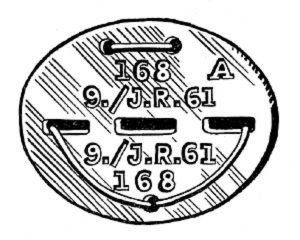 Erkennungsmarke (German Dog Tag)
From Handbook on German Army Identification, U.S. Milit...
Erkennungsmarke (German Dog Tag)
From Handbook on German Army Identification, U.S. Milit...
-
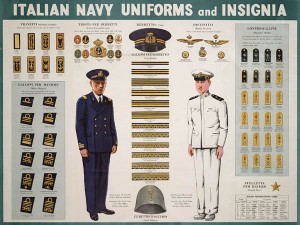 Italian Navy Uniforms and Insignia
:
CON...
Italian Navy Uniforms and Insignia
Italian Navy Uniforms and Insignia:
CON...
-
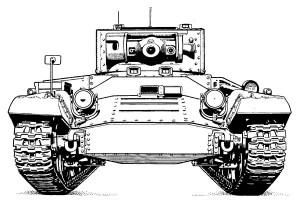 Valentine Tank Illustrations
Front and side views of the Valentine Tank (officially...
Valentine Tank Illustrations
Front and side views of the Valentine Tank (officially...
-
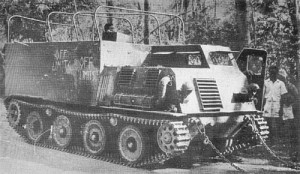 Japanese Type 1 Ho-Ki Armored Personnel Carrier
The Japanese produced a limited number of the innovativ...
Japanese Type 1 Ho-Ki Armored Personnel Carrier
The Japanese produced a limited number of the innovativ...
-
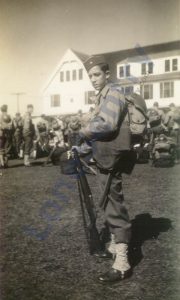 Early-War Uniform
A private photograph from 1942 showing details of the e...
Early-War Uniform
A private photograph from 1942 showing details of the e...
-
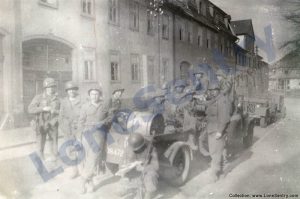 89th Infantry Division in Germany
Photographs of the U.S. Army's 89th Infantry ...
89th Infantry Division in Germany
Photographs of the U.S. Army's 89th Infantry ...
-
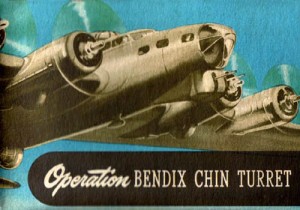 Bendix Chin Turret
Bendix manual on the Operation and Maintenance of the B...
Bendix Chin Turret
Bendix manual on the Operation and Maintenance of the B...
-
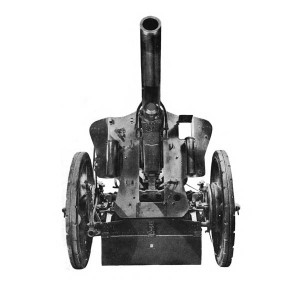 German 105-mm Howitzer
Three views of the German 105-mm howitzer (10.5 cm leFH...
German 105-mm Howitzer
Three views of the German 105-mm howitzer (10.5 cm leFH...
-
 How’s Your Sherman, Herman?
M4 Sherman Tank modification and upgrades from Army Mot...
How’s Your Sherman, Herman?
M4 Sherman Tank modification and upgrades from Army Mot...
-
Monthly Archives: March 2010
2 cm FlaK 30 Antiaircraft Gun
Three ordnance intelligence illustrations of the German 2 cm FlaK 30 (Fliegerabwehrkanone 30) antiaircraft gun show the major components of the gun and mounting: 2 cm FlaK 30 on Trailer Ready for Transport 2 cm FlaK 30 Mounting 1. Sub Mounting, 2. … Continue reading
Posted in intelligence reports, research, weapons
Tagged 2cm, antiaircraft, flak, flak 30, german, gun, weapons
4 Comments
Japanese Army Uniforms
The February 7, 1944 issue of NEWSMAP illustrated Japanese uniforms, equipment, and insignia: Two examples of the detail drawings: PRIVATE, INFANTRY RIFLEMAN: M1938 BLOUSE, FRONT Nitohei Sampachi (Meiji 38) rifle, rubberized fabric or leather cartridge pouches; gas … Continue reading
Trek of the 5th Armored Division
“Trek of the 5th Armored Division” from the G.I. Stories booklet: The Road to Germany: The Story of the 5th Armored Division published by the Information and Education Division, ETOUSA in 1944-45.
Firing the PIAT
The Projector, Infantry, Anti-Tank (PIAT) was an infantry anti-tank weapon used by the British during World War II. The PIAT used a lightweight steel tube which held a hollow-charge bomb and a heavy firing spring. When the PIAT was cocked, … Continue reading
Posted in research, training, weapons
Tagged antitank, british, hollow-charge, PIAT, weapons
15 Comments
“The Man Who Owns a Tank Corps”
The June 1960 issue of Popular Mechanics tells the story of Walter Ising, president of a steel company in Chicago, who bought 500 surplus Sherman tanks from the government for $305,000. He then had to disarm the tanks, move them … Continue reading
The Quest for a Full-Scale Replica Tiger Tank
Today’s blog post highlights several efforts to build full-scale replicas of the German Tiger tank from WWII. Two separate teams, one from Russia and one from Hungary, have almost finished building their own mobile Tiger replicas. In addition, John Nicholson … Continue reading
Posted in miscellaneous
Tagged model, panzer, panzer vi, replica, tank, tiger, tiger tank
11 Comments
Dodge WC54 Ambulance
MIG Productions is adding a resin 1/48th scale Dodge WC54 Ambulance kit to their lineup. The Dodge WC54 ambulance was a 3/4-ton 4×4 light truck which served as the main ambulance vehicle used by the U.S. Army during WWII. … Continue reading
Posted in scale models
Tagged 1/48th, ambulance, dodge, hobby, mig productions, scale models, vehicles, WC51, WC54
Comments Off on Dodge WC54 Ambulance
U.S. Army Air Force WWII Films
Public.Resource.Org is a non-profit established to digitize government public-domain material for online use. The following two full-length U.S. Army Air Force films have been digitized by the organization and uploaded to YouTube. Normandy: The Airborne Invasion of Fortress Europe (50 … Continue reading
Library Photo Collections
WWII Photographs by J. Malan Heslop This digital collection at Brigham Young University contains over 1,350 photographs by Sergeant Heslop covering the last nine months of World War II in Europe, from September 1944 through May 1945. The photographs … Continue reading
Eighth Air Force: Stars over the Reich
In January 1945, Army Talks published a special edition “Stars over the Reich” for the men of the Eighth Air Force. With a forward by commander Lt. General James H. Doolittle, the special edition told the story of the … Continue reading
Posted in aircraft, publications, research
Tagged aircraft, army talks, bomber, Eighth Air Force, publications
5 Comments