
-

-
Popular Posts
-
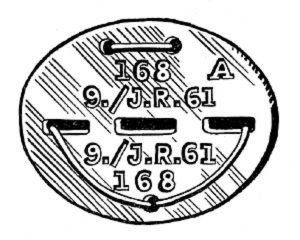 Erkennungsmarke (German Dog Tag)
From Handbook on German Army Identification, U.S. Milit...
Erkennungsmarke (German Dog Tag)
From Handbook on German Army Identification, U.S. Milit...
-
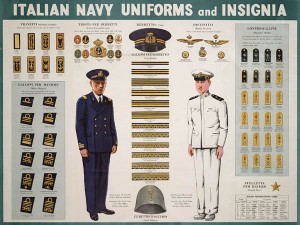 Italian Navy Uniforms and Insignia
:
CON...
Italian Navy Uniforms and Insignia
Italian Navy Uniforms and Insignia:
CON...
-
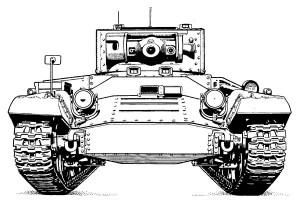 Valentine Tank Illustrations
Front and side views of the Valentine Tank (officially...
Valentine Tank Illustrations
Front and side views of the Valentine Tank (officially...
-
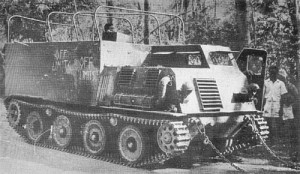 Japanese Type 1 Ho-Ki Armored Personnel Carrier
The Japanese produced a limited number of the innovativ...
Japanese Type 1 Ho-Ki Armored Personnel Carrier
The Japanese produced a limited number of the innovativ...
-
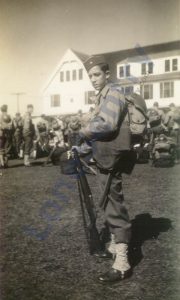 Early-War Uniform
A private photograph from 1942 showing details of the e...
Early-War Uniform
A private photograph from 1942 showing details of the e...
-
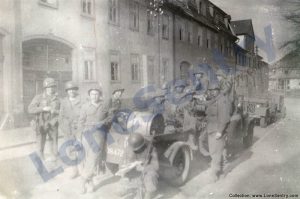 89th Infantry Division in Germany
Photographs of the U.S. Army's 89th Infantry ...
89th Infantry Division in Germany
Photographs of the U.S. Army's 89th Infantry ...
-
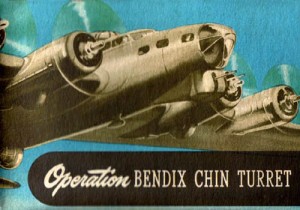 Bendix Chin Turret
Bendix manual on the Operation and Maintenance of the B...
Bendix Chin Turret
Bendix manual on the Operation and Maintenance of the B...
-
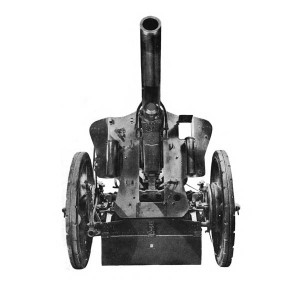 German 105-mm Howitzer
Three views of the German 105-mm howitzer (10.5 cm leFH...
German 105-mm Howitzer
Three views of the German 105-mm howitzer (10.5 cm leFH...
-
 How’s Your Sherman, Herman?
M4 Sherman Tank modification and upgrades from Army Mot...
How’s Your Sherman, Herman?
M4 Sherman Tank modification and upgrades from Army Mot...
-
Tag Archives: miscellaneous
Photo Set, Unknown Unit in Germany
Small set of photos from an unknown U.S. unit in Germany. Several photos are stamped as cleared for personal use, 15 Jan 1945. Locations are unknown.
“Ship” Must Not Mean “Plane”
Army Clarifies “Ship” vs. “Plane” — Naval Aviation News, June 15, 1944. Army Clarifies Word Usage “Ship” Must Not Mean “Plane” The Army has issued an official memorandum to halt confusion which arises over use of the word “ship” to refer either … Continue reading
Posted in miscellaneous
Tagged miscellaneous, plane, ship, words
Comments Off on “Ship” Must Not Mean “Plane”
Study Stations
Posted in miscellaneous, publications, training
Tagged career, education, miscellaneous, navy, postwar, stations, study
Comments Off on Study Stations
GI Conception of the B-29
“A GI Conception of the B-29” from Air Force, April 1944.
Posted in miscellaneous
Tagged B-29, cartoon, drawing, miscellaneous
Comments Off on GI Conception of the B-29
Keep Your Military Service Records
Posted in miscellaneous
Tagged discharge, military, miscellaneous, records, service
Comments Off on Keep Your Military Service Records
Mutiny among the Pollywogs
Posted in miscellaneous, navy
Tagged miscellaneous, mutiny, navy, pollywogs
Comments Off on Mutiny among the Pollywogs
New Airplane Insignia
Introduction of new aircraft insignia by the U.S. Navy and Army in WWII from Bureau of Naval Personnel Information Bulletin, NAVPERS, August 1943: This is the new airplane insignia adopted by the U.S. Navy and Army after much experimenting. The old … Continue reading
The New AR 850-15
Summary of vehicle painting and maintenance instructions from AR 850-15 from Army Motors, Vol. 6, No. 6, September 1945. THE NEW AR 850-15 The law on “Miscellaneous—Motor Vehicles” gets a major overhaul for the first time in two years. This’ll help you get … Continue reading
Posted in miscellaneous, publications
Tagged AR 850-15, maintenance, miscellaneous, olive drab, paint, publications, regulations
Comments Off on The New AR 850-15
Organization of the Army
Two illustrations showing the organization of the U.S. Army from The Ordnance Soldier’s Guide, 3rd Edition, Ordnance Replacement Training Center, Aberdeen Proving Ground:
Posted in miscellaneous, training
Tagged army, command, miscellaneous, organization, services, supply
1 Comment
Military in Scale
The January 2011 issue of Military in Scale is now available.
Posted in miscellaneous, publications, scale models
Tagged magazine, military in scale, miscellaneous, publications, scale models
Comments Off on Military in Scale