
-

-
Popular Posts
-
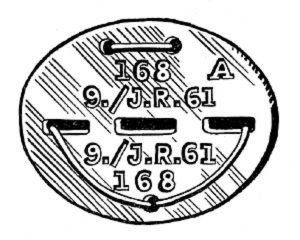 Erkennungsmarke (German Dog Tag)
From Handbook on German Army Identification, U.S. Milit...
Erkennungsmarke (German Dog Tag)
From Handbook on German Army Identification, U.S. Milit...
-
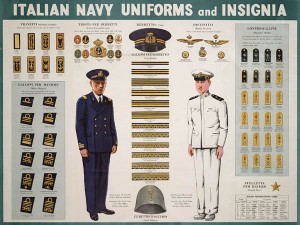 Italian Navy Uniforms and Insignia
:
CON...
Italian Navy Uniforms and Insignia
Italian Navy Uniforms and Insignia:
CON...
-
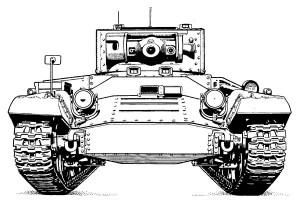 Valentine Tank Illustrations
Front and side views of the Valentine Tank (officially...
Valentine Tank Illustrations
Front and side views of the Valentine Tank (officially...
-
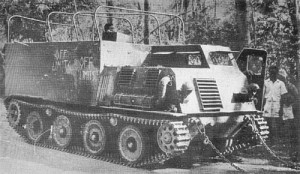 Japanese Type 1 Ho-Ki Armored Personnel Carrier
The Japanese produced a limited number of the innovativ...
Japanese Type 1 Ho-Ki Armored Personnel Carrier
The Japanese produced a limited number of the innovativ...
-
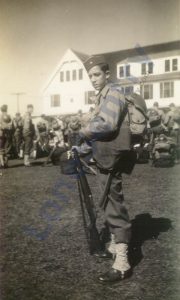 Early-War Uniform
A private photograph from 1942 showing details of the e...
Early-War Uniform
A private photograph from 1942 showing details of the e...
-
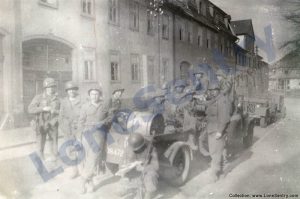 89th Infantry Division in Germany
Photographs of the U.S. Army's 89th Infantry ...
89th Infantry Division in Germany
Photographs of the U.S. Army's 89th Infantry ...
-
 Bendix Chin Turret
Bendix manual on the Operation and Maintenance of the B...
Bendix Chin Turret
Bendix manual on the Operation and Maintenance of the B...
-
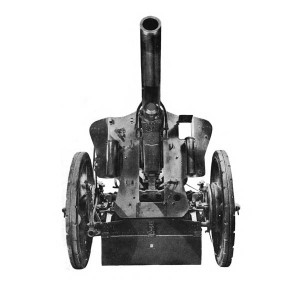 German 105-mm Howitzer
Three views of the German 105-mm howitzer (10.5 cm leFH...
German 105-mm Howitzer
Three views of the German 105-mm howitzer (10.5 cm leFH...
-
 How’s Your Sherman, Herman?
M4 Sherman Tank modification and upgrades from Army Mot...
How’s Your Sherman, Herman?
M4 Sherman Tank modification and upgrades from Army Mot...
-
Tag Archives: ETO
Flak: Lessons Learned
“Lessons Learned” by U.S. Eighth Air Force fighters against German flak taken from Light, Intense, and Accurate: U.S. Eighth A.F. Strategic Fighters Versus German Flak in the ETO, Headquarters, 65th Fighter Wing, August 1945. The booklet was the work of … Continue reading
Maps of the European Fronts, April 1945
Map of Allied front lines in Europe in April 1945 from Newsmap, April 23, 1945.
Posted in miscellaneous, research
Tagged ETO, europe, front lines, germany, italy, maps, vienna
Comments Off on Maps of the European Fronts, April 1945
265th Engineer Combat Battalion
A collection of photographs of the 265th Engineer Combat Battalion by Pfc Ben Fox is available on footnote.com at the topic page: 265th Engineers WWII For pictures of the 265th training at Camp Shelby with the 65th Infantry Division, see … Continue reading
Posted in miscellaneous, photos
Tagged 265th engineers, 65th infantry division, ETO, photos
3 Comments
Library Photo Collections
WWII Photographs by J. Malan Heslop This digital collection at Brigham Young University contains over 1,350 photographs by Sergeant Heslop covering the last nine months of World War II in Europe, from September 1944 through May 1945. The photographs … Continue reading