-

-
Popular Posts
-
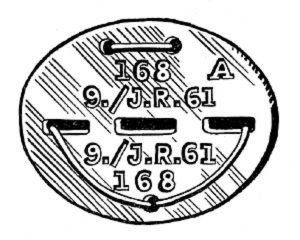 Erkennungsmarke (German Dog Tag)
From Handbook on German Army Identification, U.S. Milit...
Erkennungsmarke (German Dog Tag)
From Handbook on German Army Identification, U.S. Milit...
-
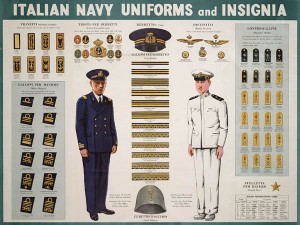 Italian Navy Uniforms and Insignia
:
CON...
Italian Navy Uniforms and Insignia
Italian Navy Uniforms and Insignia:
CON...
-
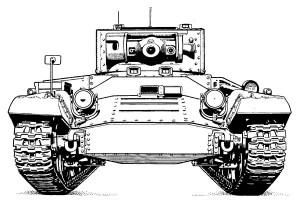 Valentine Tank Illustrations
Front and side views of the Valentine Tank (officially...
Valentine Tank Illustrations
Front and side views of the Valentine Tank (officially...
-
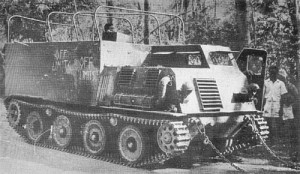 Japanese Type 1 Ho-Ki Armored Personnel Carrier
The Japanese produced a limited number of the innovativ...
Japanese Type 1 Ho-Ki Armored Personnel Carrier
The Japanese produced a limited number of the innovativ...
-
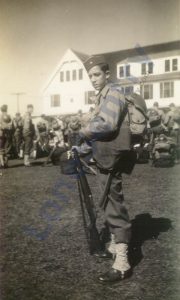 Early-War Uniform
A private photograph from 1942 showing details of the e...
Early-War Uniform
A private photograph from 1942 showing details of the e...
-
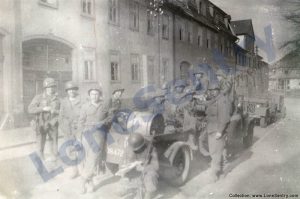 89th Infantry Division in Germany
Photographs of the U.S. Army's 89th Infantry ...
89th Infantry Division in Germany
Photographs of the U.S. Army's 89th Infantry ...
-
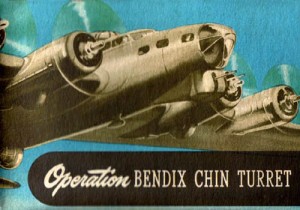 Bendix Chin Turret
Bendix manual on the Operation and Maintenance of the B...
Bendix Chin Turret
Bendix manual on the Operation and Maintenance of the B...
-
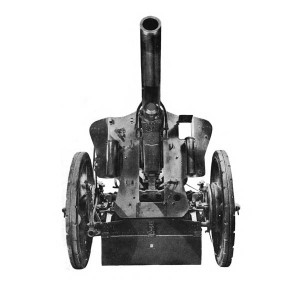 German 105-mm Howitzer
Three views of the German 105-mm howitzer (10.5 cm leFH...
German 105-mm Howitzer
Three views of the German 105-mm howitzer (10.5 cm leFH...
-
 How’s Your Sherman, Herman?
M4 Sherman Tank modification and upgrades from Army Mot...
How’s Your Sherman, Herman?
M4 Sherman Tank modification and upgrades from Army Mot...
-
Category Archives: aircraft
B-17 Ditching Mockup for Training
Details of a unique B-17 Flying Fortress ditching mockup constructed for training by the 396th Bombardment Group RTU at Drew Field, Florida. (Source: Air Sea Rescue Bulletin, U.S. Coast Guard, January 1945.) 396th Bombardment Group RTU Ditching School DescribesMOCKUP FOR … Continue reading
Posted in aircraft, miscellaneous, training
Tagged 396th bg, B-17, ditching, drew field, florida, mockup, training
Comments Off on B-17 Ditching Mockup for Training
Raft Survival of a P-51 Pilot
The story of the rescue of a P-51 Mustang pilot in the Pacific, from Air Sea Rescue Bulletin, U.S. Coast Guard, Vol. III, No. 9, October 1946. Raft Survival of a P-51 Pilot The following report from D of I, … Continue reading
Posted in aircraft, miscellaneous, publications, training
Tagged life raft, P-51, pilot, rescue
Comments Off on Raft Survival of a P-51 Pilot
Bachem Ba 349 Natter
A report on the Bachem Ba 349 “Natter” rocket-powered fighter from April 1946 issue of Intelligence Bulletin: At first complacent in the face of the strategic bombing threat, the Germans in 1943 became fearful, then frantic. They were willing to … Continue reading
Helldiver Debut at Rabaul
Details of the combat debut of the U.S. Navy’s Curtiss SB2C Helldiver dive bomber at the Battle of Rabaul from Bureau of Naval Personnel Information Bulletin, February 1944. HELLDIVER The Navy’s New Dive Bomber Makes Debut In Smash at Rabaul The … Continue reading
AAA Ground Recognition Signals
The following comments from the commander of the U.S. 5th Armored Division on the proper use of ground recognition signals were published in “Antiaircraft Artillery Notes,” No. 5, November 22, 1944. Subject: Use of Ground Recognition Signals Source: AA Section, Headquarters Twelfth Army … Continue reading
Posted in aircraft, publications, research, weapons
Tagged AAA, antiaircraft, combat reports, flares, recognition, research, signals, training
Comments Off on AAA Ground Recognition Signals
Italeri 1/72nd Short Stirling Mk. I
Italeri has announced a new 1/72-nd scale kit depicting the British heavy bomber Short Stirling Mk. I.
Posted in aircraft, scale models
Tagged 1/72nd, italeri, raf, short brothers, short sterling
1 Comment
New Iliad Design Decal Sets
Two new WWII aircraft decal sets from Iliad Design have been announced: 1/32nd-Scale: 7./JG 53 Bf 109G-6 “Cartoon Aircraft” and 1/72nd-Scale: Early P-40s & Tomahawks.
A-26 Invader Armor Diagram
A-26 Invader armor diagram, from: Pilot’s Handbook for Army Models A-26B and A-26C Airplanes, AN 01-40AJ-1, August 1945, revised January 1946.
P-47 Pilot Preflight Check
P-47N pilot’s preflight check, from: Pilot Training Manual for the Thunderbolt P-47N, Headquarters, AAF Manual 51-127-4, Army Air Forces, Washington, D.C., September 1945. Pilot’s Preflight Check The preflight check starts before you reach your airplane. Survey the proposed taxiing route for … Continue reading
Posted in aircraft, training
Tagged check, inspection, P-47, pilot, preflight, thunderbolt
1 Comment
Airframe Album – Fw 189 Uhu
Valiant Wings Publishing has announced the sixth volume in their Airframe Album series: Airframe Album No. 6: The Focke-Wulf Fw 189 Uhu, A Detailed Guide to the Luftwaffe’s Flying Eye by Richard A. Franks. According to the publisher, the book … Continue reading
Posted in aircraft, publications, research
Tagged focke wulf, FW189, reconnaissance, uhu, valiant wings
Comments Off on Airframe Album – Fw 189 Uhu