
-

-
Popular Posts
-
 Erkennungsmarke (German Dog Tag)
From Handbook on German Army Identification, U.S. Milit...
Erkennungsmarke (German Dog Tag)
From Handbook on German Army Identification, U.S. Milit...
-
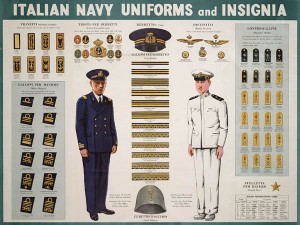 Italian Navy Uniforms and Insignia
:
CON...
Italian Navy Uniforms and Insignia
Italian Navy Uniforms and Insignia:
CON...
-
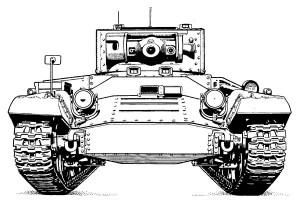 Valentine Tank Illustrations
Front and side views of the Valentine Tank (officially...
Valentine Tank Illustrations
Front and side views of the Valentine Tank (officially...
-
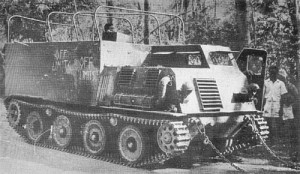 Japanese Type 1 Ho-Ki Armored Personnel Carrier
The Japanese produced a limited number of the innovativ...
Japanese Type 1 Ho-Ki Armored Personnel Carrier
The Japanese produced a limited number of the innovativ...
-
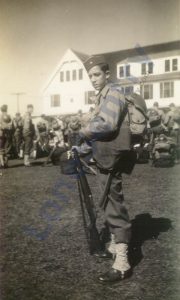 Early-War Uniform
A private photograph from 1942 showing details of the e...
Early-War Uniform
A private photograph from 1942 showing details of the e...
-
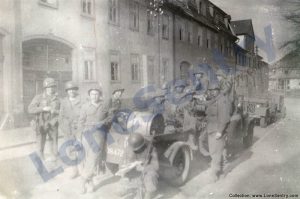 89th Infantry Division in Germany
Photographs of the U.S. Army's 89th Infantry ...
89th Infantry Division in Germany
Photographs of the U.S. Army's 89th Infantry ...
-
 Bendix Chin Turret
Bendix manual on the Operation and Maintenance of the B...
Bendix Chin Turret
Bendix manual on the Operation and Maintenance of the B...
-
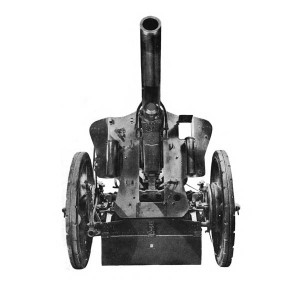 German 105-mm Howitzer
Three views of the German 105-mm howitzer (10.5 cm leFH...
German 105-mm Howitzer
Three views of the German 105-mm howitzer (10.5 cm leFH...
-
 How’s Your Sherman, Herman?
M4 Sherman Tank modification and upgrades from Army Mot...
How’s Your Sherman, Herman?
M4 Sherman Tank modification and upgrades from Army Mot...
-
Tag Archives: italy
Wreckage in Italy
Various photographs of Axis wreckage taken by a U.S. soldier moving up the Italian boot during WWII. The quality is rather poor as the photos appear to have been taken from a moving vehicle. A Panzer IV abandoned on the … Continue reading
Ambulances and Medical Vehicles
A variety of Italian and German ambulances and medical vehicles are parked outside an Allied prisoner-of-war camp in Italy in 1945, from a photo collection of the U.S. 345th Engineers.
995th Field Artillery Battalion #5
Men of the 995th Field Artillery Battalion on Anzio Detached Service — B Bat. and C Bat., Wm. Rush & Fred Minehart. See also: 995th Field Artillery Battalion Photo Album. (Collection LoneSentry.com)
Dragon StuG III F/8
New feature poster from Dragon for the #6620: StuG III F/8 Early Production Italy 1943:
Posted in scale models
Tagged 1943, dragon, italy, stug iii, sturmgeschütz
Comments Off on Dragon StuG III F/8
26th Panzer Division
The following opinions are from German General Leutnant Linnarz, commander of the German 26th Panzer Division in Italy, concerning Allied airpower and its effects on German forces. Source: Defeat, Headquarters Army Air Forces, Office of the assistant chief of air … Continue reading
Posted in combat reports, intelligence reports, research
Tagged 26th, air power, italy, Linnarz, panzer, research
Comments Off on 26th Panzer Division
Macchi C.202 Folgore Italian Fighter
U.S. War Department WWII Recognition Guide for the Italian Macchi C.202 Folgore (“Thunderbolt”) fighter. The Folgore fighter aircraft was designed by Mario Castoldi and manufactured by Macchi Aeronautica. The Folgore served with the Italian Regia Aeronautica throughout WWII on all … Continue reading
Panzerwrecks 13 (Italy, Vol. 2)
Panzerwrecks 13: Italy 2, the latest volume in the well known Panzerwrecks photo-book series, has been released by authors Lee Archer and William Auerbach. Photograph features include: Weapons Dump – Italian Style; Nashorn 214; Elefants of 1./s.Pz.Jg.Abt.653; and Dug-in Panther … Continue reading
Posted in armor, publications
Tagged armor, book, italy, panzerwrecks, photos, publications
Comments Off on Panzerwrecks 13 (Italy, Vol. 2)
Wreck of Italian Battleship Roma Discovered
The wreck of the Italian battleship Roma has been located by Italian Navy divers off the coast of Sardinia after a lenghty multi-year search. The battleship Roma was sunk by German aircraft on September 9, 1943 while underway to Malta … Continue reading
A Fifth Army Report from the Beachhead
Fifth Army reports from the Anzio beachhead during Operation Shingle: [ Video not available. ]
Posted in videos
Tagged anzio, fifth army, italy, nettuno, operation shingle, video
Comments Off on A Fifth Army Report from the Beachhead