
-

-
Popular Posts
-
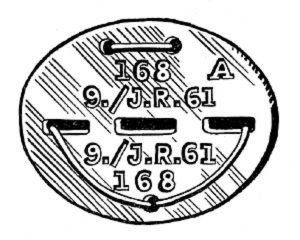 Erkennungsmarke (German Dog Tag)
From Handbook on German Army Identification, U.S. Milit...
Erkennungsmarke (German Dog Tag)
From Handbook on German Army Identification, U.S. Milit...
-
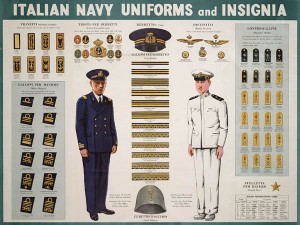 Italian Navy Uniforms and Insignia
:
CON...
Italian Navy Uniforms and Insignia
Italian Navy Uniforms and Insignia:
CON...
-
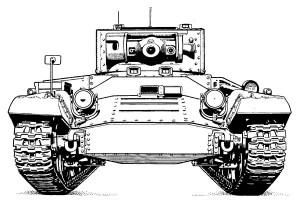 Valentine Tank Illustrations
Front and side views of the Valentine Tank (officially...
Valentine Tank Illustrations
Front and side views of the Valentine Tank (officially...
-
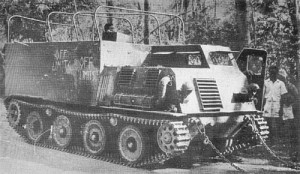 Japanese Type 1 Ho-Ki Armored Personnel Carrier
The Japanese produced a limited number of the innovativ...
Japanese Type 1 Ho-Ki Armored Personnel Carrier
The Japanese produced a limited number of the innovativ...
-
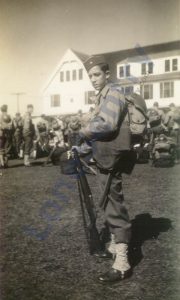 Early-War Uniform
A private photograph from 1942 showing details of the e...
Early-War Uniform
A private photograph from 1942 showing details of the e...
-
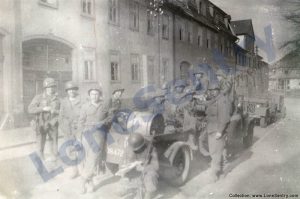 89th Infantry Division in Germany
Photographs of the U.S. Army's 89th Infantry ...
89th Infantry Division in Germany
Photographs of the U.S. Army's 89th Infantry ...
-
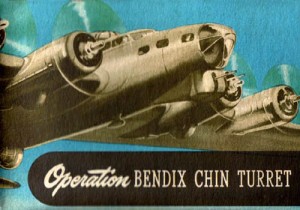 Bendix Chin Turret
Bendix manual on the Operation and Maintenance of the B...
Bendix Chin Turret
Bendix manual on the Operation and Maintenance of the B...
-
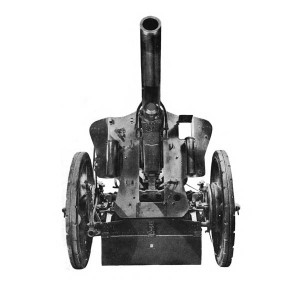 German 105-mm Howitzer
Three views of the German 105-mm howitzer (10.5 cm leFH...
German 105-mm Howitzer
Three views of the German 105-mm howitzer (10.5 cm leFH...
-
 How’s Your Sherman, Herman?
M4 Sherman Tank modification and upgrades from Army Mot...
How’s Your Sherman, Herman?
M4 Sherman Tank modification and upgrades from Army Mot...
-
Category Archives: uniforms
89th Infantry Division in Germany
Photographs of the U.S. Army’s 89th Infantry Division in Germany.
Posted in photos, uniforms
Tagged 1945, 89th infantry division, germany, gotha, ilmenau, waltershausen
Comments Off on 89th Infantry Division in Germany
Early-War Uniform
A private photograph from 1942 showing details of the early-war U.S. uniform and equipment. The unit and location are unidentified, but several of the photos in the set are labelled as “561-E.?.C. just before going across.”
Red Cross Clubmobile “Southern Belle”
Three women are photographed in front of the American Red Cross Clubmobile “Southern Belle” at an unknown location in Europe during WWII. American Red Cross Clubmobile “Southern Belle”
Posted in miscellaneous, photos, uniforms
Tagged clubmobile, red cross
Comments Off on Red Cross Clubmobile “Southern Belle”
Luftwaffe Fliegerbluse
A photograph of a group of four Luftwaffe soldiers wearing the Fliegerbluse from our collection, including a Flieger (one “wing”), Gefreiter (two “wings”), and Obergefreiter (three “wings”).
995th Field Artillery Battalion #9
Soldiers of the 995th Field Artillery Battalion in Alsace, February 1945: Charles Capra and Fred Minehart. See also: 995th Field Artillery Battalion Photo Album. (Collection LoneSentry.com) Four soldiers of the 995th Field Artillery Battalion at an unknown location: Al Ricciotti, … Continue reading
GI Style Center
The June 15, 1945 issue of Onaway, the official newspaper of the 76th Infantry Division, published in Germany described the rules for the three GI uniforms—service, field, and fatigue. Here Are Latest Tips From GI Style Center – What To … Continue reading
Posted in miscellaneous, photos, uniforms
Tagged 76th infantry division, fatigue, field, newspaper, onaway, service, uniforms
Comments Off on GI Style Center
P-47 Pilot Equipment
Typical U.S. pilot’s personal equipment from Pilot Training Manual for the Thunderbolt P-47N, Headquarters, AAF Manual 51-127-4, Army Air Forces, Washington, D.C., September 1945. Personal Equipment On all flights, wear: 1. Helmet 2. Goggles 3. Gloves 4. Life vest 5. Parachute … Continue reading
Posted in aircraft, miscellaneous, uniforms
Tagged equipment, flight suit, P-47, personal, pilot, uniform
Comments Off on P-47 Pilot Equipment
Allied Uniforms
Allied Army, Navy, and Air Force Uniforms: Newsmap, U.S. War Department, March 1943.
Military Courtesy to Ladies
“Courtesy to Ladies” from Bureau of Naval Personnel Information Bulletin, (“All Hands Magazine”), August 1944. PROPER GREETING TO LADIES IS SALUTE WHEN TALKING WITH A LADY ON STREET, REMAIN COVERED IN WALKING TAKE POSITION TO LEFT OR OUTSIDE WITH TWO … Continue reading
Care of Clothing and Equipment
From The Ordnance Soldier’s Guide, 3rd Edition, Ordnance Replacement Training Center, Aberdeen Proving Ground: RESPONSIBILITY FOR PROPERTY: Clothing and equipment issued to you are government property. If any articles are lost or damaged through your fault or negligence you will … Continue reading