-

-
Popular Posts
-
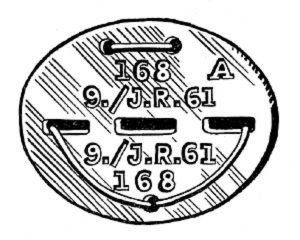 Erkennungsmarke (German Dog Tag)
From Handbook on German Army Identification, U.S. Milit...
Erkennungsmarke (German Dog Tag)
From Handbook on German Army Identification, U.S. Milit...
-
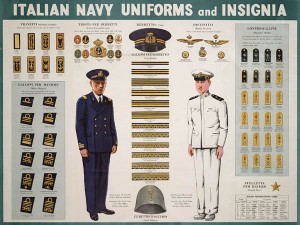 Italian Navy Uniforms and Insignia
:
CON...
Italian Navy Uniforms and Insignia
Italian Navy Uniforms and Insignia:
CON...
-
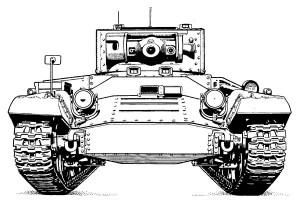 Valentine Tank Illustrations
Front and side views of the Valentine Tank (officially...
Valentine Tank Illustrations
Front and side views of the Valentine Tank (officially...
-
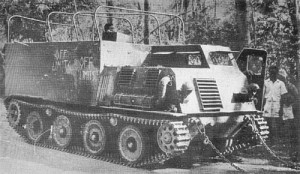 Japanese Type 1 Ho-Ki Armored Personnel Carrier
The Japanese produced a limited number of the innovativ...
Japanese Type 1 Ho-Ki Armored Personnel Carrier
The Japanese produced a limited number of the innovativ...
-
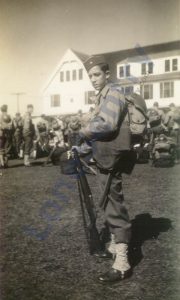 Early-War Uniform
A private photograph from 1942 showing details of the e...
Early-War Uniform
A private photograph from 1942 showing details of the e...
-
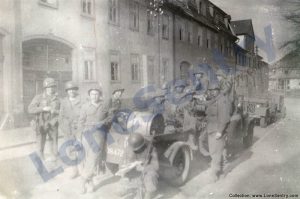 89th Infantry Division in Germany
Photographs of the U.S. Army's 89th Infantry ...
89th Infantry Division in Germany
Photographs of the U.S. Army's 89th Infantry ...
-
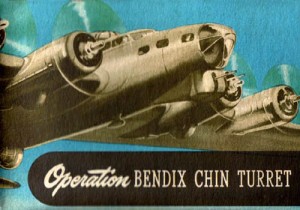 Bendix Chin Turret
Bendix manual on the Operation and Maintenance of the B...
Bendix Chin Turret
Bendix manual on the Operation and Maintenance of the B...
-
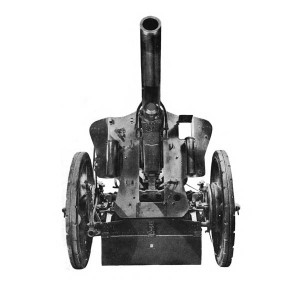 German 105-mm Howitzer
Three views of the German 105-mm howitzer (10.5 cm leFH...
German 105-mm Howitzer
Three views of the German 105-mm howitzer (10.5 cm leFH...
-
 How’s Your Sherman, Herman?
M4 Sherman Tank modification and upgrades from Army Mot...
How’s Your Sherman, Herman?
M4 Sherman Tank modification and upgrades from Army Mot...
-
Tag Archives: Eighth Air Force
Words from the Wing Wise
Tips from bomber gunners to prevent guns and gunners from freezing during missions from a special edition of Army Talks, “Stars over the Reich,” published for the officers and men of the Eighth Air Force. WORDS FROM THE WING … Continue reading
Posted in aircraft, publications, weapons
Tagged army talks, B-17, bomber, crew, Eighth Air Force, gun, gunner
Comments Off on Words from the Wing Wise
Flak: Lessons Learned
“Lessons Learned” by U.S. Eighth Air Force fighters against German flak taken from Light, Intense, and Accurate: U.S. Eighth A.F. Strategic Fighters Versus German Flak in the ETO, Headquarters, 65th Fighter Wing, August 1945. The booklet was the work of … Continue reading
Targets of the Eighth Air Force
“Targets of the Eighth Air Force” from a special edition of Army Talks, “Stars over the Reich,” published for the officers and men of the Eighth Air Force. Targets of the Eighth A. Aircraft Industry (includes assembly, engine and repair … Continue reading
Eighth Air Force: Stars over the Reich
In January 1945, Army Talks published a special edition “Stars over the Reich” for the men of the Eighth Air Force. With a forward by commander Lt. General James H. Doolittle, the special edition told the story of the … Continue reading
Posted in aircraft, publications, research
Tagged aircraft, army talks, bomber, Eighth Air Force, publications
5 Comments