
-

-
Popular Posts
-
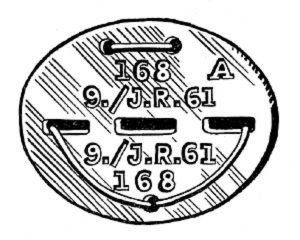 Erkennungsmarke (German Dog Tag)
From Handbook on German Army Identification, U.S. Milit...
Erkennungsmarke (German Dog Tag)
From Handbook on German Army Identification, U.S. Milit...
-
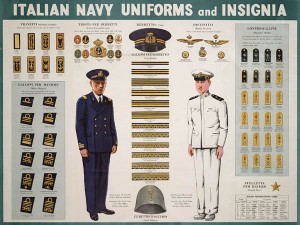 Italian Navy Uniforms and Insignia
:
CON...
Italian Navy Uniforms and Insignia
Italian Navy Uniforms and Insignia:
CON...
-
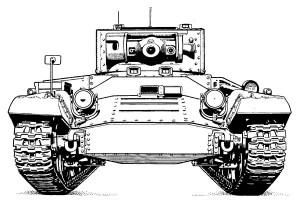 Valentine Tank Illustrations
Front and side views of the Valentine Tank (officially...
Valentine Tank Illustrations
Front and side views of the Valentine Tank (officially...
-
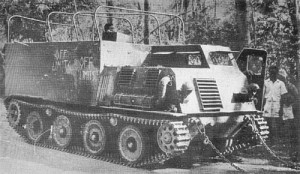 Japanese Type 1 Ho-Ki Armored Personnel Carrier
The Japanese produced a limited number of the innovativ...
Japanese Type 1 Ho-Ki Armored Personnel Carrier
The Japanese produced a limited number of the innovativ...
-
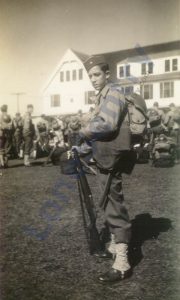 Early-War Uniform
A private photograph from 1942 showing details of the e...
Early-War Uniform
A private photograph from 1942 showing details of the e...
-
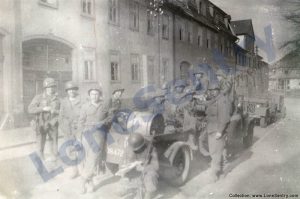 89th Infantry Division in Germany
Photographs of the U.S. Army's 89th Infantry ...
89th Infantry Division in Germany
Photographs of the U.S. Army's 89th Infantry ...
-
 Bendix Chin Turret
Bendix manual on the Operation and Maintenance of the B...
Bendix Chin Turret
Bendix manual on the Operation and Maintenance of the B...
-
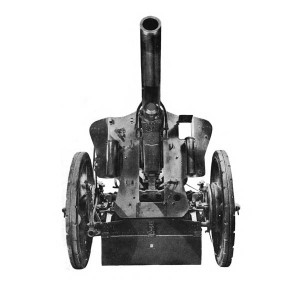 German 105-mm Howitzer
Three views of the German 105-mm howitzer (10.5 cm leFH...
German 105-mm Howitzer
Three views of the German 105-mm howitzer (10.5 cm leFH...
-
 How’s Your Sherman, Herman?
M4 Sherman Tank modification and upgrades from Army Mot...
How’s Your Sherman, Herman?
M4 Sherman Tank modification and upgrades from Army Mot...
-
Tag Archives: submachine gun
MP 34 Bergmann Submachine Gun
The following report on the MP 34 9-mm Bergmann Submachine Gun was published in Foreign Military Weapons and Equipment, Vol. III, Infantry Weapons, Pamphlet No. 30-7-4, Department of the Army, 1954. 9-mm Submachine Gun MP 34/I (Bergmann) (MASCHINENPISTOLE MP 34) This … Continue reading
MP34 Submachine Gun (Steyr-Solothurn)
The following report on the MP 34 submachine gun was published in Foreign Military Weapons and Equipment, Vol. III, Infantry Weapons, Pamphlet No. 30-7-4, Department of the Army, 1954. 9-mm Submachine Gun MP 34 (Steyr-Solothurn) (MASCHINENPISTOLE MP 34) This weapon was … Continue reading
Posted in weapons
Tagged austria, gun, maschinenpistole, MP34, smg, solothurn, steyr, submachine gun, weapons
Comments Off on MP34 Submachine Gun (Steyr-Solothurn)
Submachine Gun Sounds
The original, authentic sounds of the U.S. M1928A1 Thompson, the U.S. M3 Grease Gun, and the German MP-40 “Schmeisser” taken from a WWII training film.
Posted in videos, weapons
Tagged grease gun, guns, m3, schmeisser, smg, sound, submachine gun, Thompson, video, weapons
1 Comment
Schmeisser MP40 Submachine Gun
The following report on the Schmeisser MP40 Submachine Gun was published in Foreign Military Weapons and Equipment, Vol. III, Infantry Weapons, Pamphlet No. 30-7-4, Department of the Army, 1954. 9-mm Submachine Gun MP40 (Schmeisser) (MACHINENPISTOLE M40) This weapon is … Continue reading
Posted in weapons
Tagged 9mm, gun, MP40, schmeisser, smg, submachine gun, weapons
Comments Off on Schmeisser MP40 Submachine Gun
German Machine Gun Trick
The following intelligence report on an unusual German remote-controlled machine-gun position encountered by U.S. troops in Normandy was published in the Intelligence Bulletin, Vol. III, No. 4, December 1944. GERMAN MACHINE-GUN TRICK A U.S. staff sergeant, who served as an observer for a … Continue reading
Posted in intelligence reports, miscellaneous, weapons
Tagged german, intelligence, intelligence reports, machine gun, normandy, research, submachine gun
4 Comments
More MG Ammunition at Hand
GI innovation from Combat Lessons, No. 6. Combat Lessons was published by the Operations Division of the War Department to give officers and enlisted men lessons from battle experiences of other soldiers. More MG Ammunition at Hand This innovation … Continue reading