
-

-
Popular Posts
-
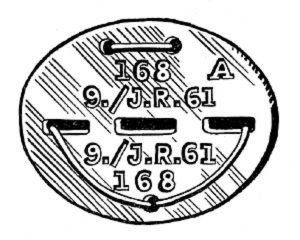 Erkennungsmarke (German Dog Tag)
From Handbook on German Army Identification, U.S. Milit...
Erkennungsmarke (German Dog Tag)
From Handbook on German Army Identification, U.S. Milit...
-
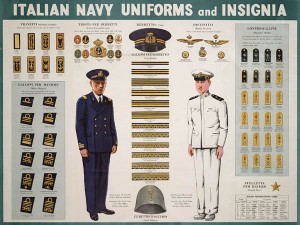 Italian Navy Uniforms and Insignia
:
CON...
Italian Navy Uniforms and Insignia
Italian Navy Uniforms and Insignia:
CON...
-
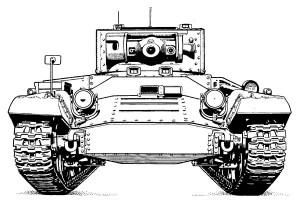 Valentine Tank Illustrations
Front and side views of the Valentine Tank (officially...
Valentine Tank Illustrations
Front and side views of the Valentine Tank (officially...
-
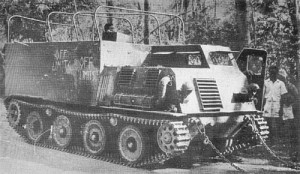 Japanese Type 1 Ho-Ki Armored Personnel Carrier
The Japanese produced a limited number of the innovativ...
Japanese Type 1 Ho-Ki Armored Personnel Carrier
The Japanese produced a limited number of the innovativ...
-
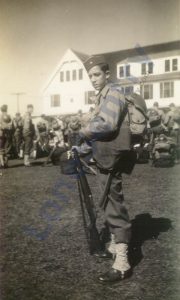 Early-War Uniform
A private photograph from 1942 showing details of the e...
Early-War Uniform
A private photograph from 1942 showing details of the e...
-
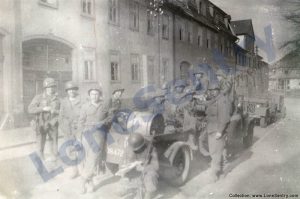 89th Infantry Division in Germany
Photographs of the U.S. Army's 89th Infantry ...
89th Infantry Division in Germany
Photographs of the U.S. Army's 89th Infantry ...
-
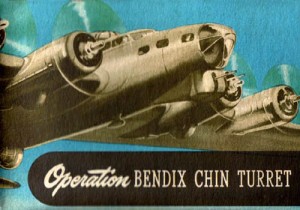 Bendix Chin Turret
Bendix manual on the Operation and Maintenance of the B...
Bendix Chin Turret
Bendix manual on the Operation and Maintenance of the B...
-
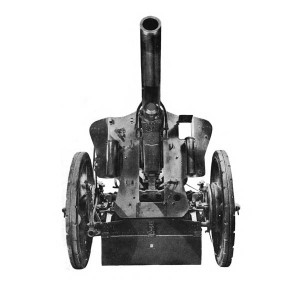 German 105-mm Howitzer
Three views of the German 105-mm howitzer (10.5 cm leFH...
German 105-mm Howitzer
Three views of the German 105-mm howitzer (10.5 cm leFH...
-
 How’s Your Sherman, Herman?
M4 Sherman Tank modification and upgrades from Army Mot...
How’s Your Sherman, Herman?
M4 Sherman Tank modification and upgrades from Army Mot...
-
Tag Archives: news
January Figure Releases from Alpine Miniatures
New January 2013 figure releases from Alpine Miniatures: • 35151: 1/35 WSS Grenadier Sculpted by Taesung Harmms / Boxart Painted by Man-Jin Kim • 35152: 1/35 WSS Grenadier NCO Sculpted by Taesung Harmms / Boxart Painted by Man-Jin Kim • 35153: 1/35 WSS … Continue reading
Posted in miscellaneous, scale models
Tagged 1/35th, alpine miniatures, figures, news, taesung harmms, waffen ss
Comments Off on January Figure Releases from Alpine Miniatures
Panzerwrecks 14: Ostfront 2
Panzerwrecks 14: Ostfront 2 is scheduled for release in December 2012. Feature sections include “Odd StuGs: Ostfront Edition”, “Tehumardi Wrecks”, “Wrecks of Operation Bagration”, and “Panzer Wrecks in the Woods”. Oddities and rare vehicles pictured include Sturmgeschütz III and IV … Continue reading
Posted in news, publications, research
Tagged book, news, ostfront, panzerwrecks, publications, research
Comments Off on Panzerwrecks 14: Ostfront 2
Wreck of Italian Battleship Roma Discovered
The wreck of the Italian battleship Roma has been located by Italian Navy divers off the coast of Sardinia after a lenghty multi-year search. The battleship Roma was sunk by German aircraft on September 9, 1943 while underway to Malta … Continue reading
Wings of Freedom Tour Visits New Orleans
The Wings of Freedom Tour visits New Orleans with vintage aircraft including P-51 Mustang, Consolidated B-24 Liberator “Witchcraft”, and Boeing B-17 Flying Fortress “Nine O Nine”. The Collings Foundation’s Wings of Freedom Tour will be at Lakefront Airport from March … Continue reading
Pilot Flew Goering to Captivity
Associated Press has published an interview with Mayhew “Bo” Foster, the U.S. pilot who flew Nazi leader Hermann Goering to the 7th Army’s headquarters for interrogation in a Piper artillery spotter plane: Pilot Recalls Nazi Leader’s Capture. It was May … Continue reading
B-17 “Chuckie” Moves to Military Aviation Museum
The B-17 Flying Fortress “Chuckie” is moving from the Vintage Flying Museum in Fort Worth, Texas to the Military Aviation Museum in Virginia Beach, Virginia. The B-17 “Chuckie” was used for cropdusting until 1979. Owned by Chuckie Hospers, the B-17 … Continue reading
New WWII Dragon Kits
Three new WWII model kit announcements from Dragon for release in December 2010: 1/35th Gebirgspioniere, Metaxas Line 1941 (4 Figures Set) — DRA6538 1/35th M4 (105) Howitzer Tank — DRA6548 1/350th U.S.S. Chevalier DD-805, 1945, Gearing Class Destroyer — DRA1046 … Continue reading
Posted in news, scale models
Tagged dragon, figures, hobby, model, model ships, news, scale models
2 Comments
Allied-Axis Photo Journal No. 25
The latest issue of Ampersand Publishing’s reference magazine Allied-Axis: The Photo Journal of the Second World War has been announced. This issue of Allied-Axis will cover the 40mm Gun Motor Carriage M19, Panther Ausf. A, General Electric 60″ Searchlight, SdKfz 222 Armored … Continue reading
Posted in publications
Tagged allied, ampersand, axis, book, hobby, magazine, news, publications
1 Comment
NY Divers Discover Lost WWII-era Shells from USS Bennington
Divers in New York have found over 1,500 live naval ammunition shells in the waters under the Verrazano Bridge in New York. The WWII-era copper shells are believed to have fallen overboard during an accident offloading ammunition from the aircraft … Continue reading
Allied-Axis: The Photo Journal of WWII
Recent issues of Ampersand Publishing’s reference magazine Allied-Axis: The Photo Journal of the Second World War: Issue 21 Studebaker US6 trucks; SdKfz 7, 8-ton halftrack; SdKfz 10/4 flak; Corbitt & White trucks Issue 22 M15/M15A1 halftrack multiple gun motor carriage; … Continue reading