-

-
Popular Posts
-
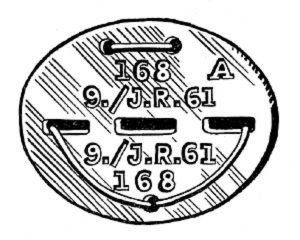 Erkennungsmarke (German Dog Tag)
From Handbook on German Army Identification, U.S. Milit...
Erkennungsmarke (German Dog Tag)
From Handbook on German Army Identification, U.S. Milit...
-
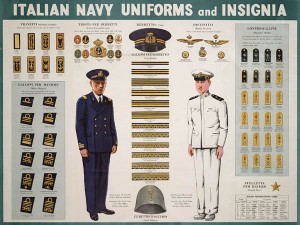 Italian Navy Uniforms and Insignia
:
CON...
Italian Navy Uniforms and Insignia
Italian Navy Uniforms and Insignia:
CON...
-
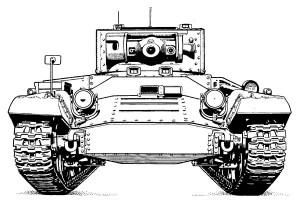 Valentine Tank Illustrations
Front and side views of the Valentine Tank (officially...
Valentine Tank Illustrations
Front and side views of the Valentine Tank (officially...
-
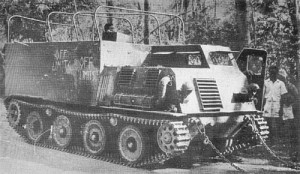 Japanese Type 1 Ho-Ki Armored Personnel Carrier
The Japanese produced a limited number of the innovativ...
Japanese Type 1 Ho-Ki Armored Personnel Carrier
The Japanese produced a limited number of the innovativ...
-
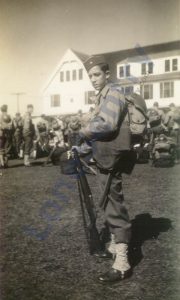 Early-War Uniform
A private photograph from 1942 showing details of the e...
Early-War Uniform
A private photograph from 1942 showing details of the e...
-
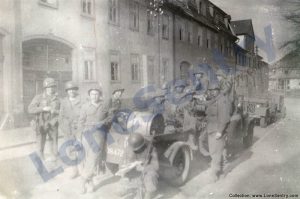 89th Infantry Division in Germany
Photographs of the U.S. Army's 89th Infantry ...
89th Infantry Division in Germany
Photographs of the U.S. Army's 89th Infantry ...
-
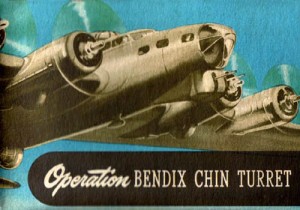 Bendix Chin Turret
Bendix manual on the Operation and Maintenance of the B...
Bendix Chin Turret
Bendix manual on the Operation and Maintenance of the B...
-
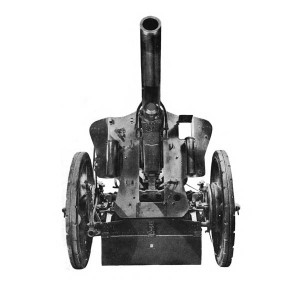 German 105-mm Howitzer
Three views of the German 105-mm howitzer (10.5 cm leFH...
German 105-mm Howitzer
Three views of the German 105-mm howitzer (10.5 cm leFH...
-
 How’s Your Sherman, Herman?
M4 Sherman Tank modification and upgrades from Army Mot...
How’s Your Sherman, Herman?
M4 Sherman Tank modification and upgrades from Army Mot...
-
Category Archives: aircraft
P-61 Black Widow Cockpit
P-61 Black Widow cockpit instrument diagrams from the Pilot Training Manual for the Black Widow, P-61, Office of Assistant Chief of Air Staff Training, Headquarters AAF, Washington, D.C. Controls, Switches, Instruments (Front Panel) 1. Remote compass 2. Airspeed indicator 3. … Continue reading
Posted in aircraft, publications, research
Tagged black widow, cockpit, instrument panel, night fighter, P-61, pilot
Comments Off on P-61 Black Widow Cockpit
B-32 Dominator
Introduction to the Consolidated B-32 Dominator heavy bomber from the training manual: Airplane Commander Training Manual for the B-32 Dominator, AAF Manual 51-126-7, Headquarters Army Air Forces, 1945. The B-32’s Past The history of your B-32 Dominator starts in 1940, … Continue reading
Posted in aircraft, publications, training
Tagged aircraft, B-32, bomber, consolidated, Dominator, Model 34
Comments Off on B-32 Dominator
Kawasaki Ki-61 Hien / Ki-100 Book
A new Kagero book release for November 2014 has been announced by Kagero Publishing: Monographs No. 58: Kawasaki Ki-61 Hien/Ki-100 by Leszek A. Wieliczko. The book contains 116 pages, 18 painting schemes, 105 archive photos, 19 pages A4 sheet of … Continue reading
A-26 Upper Turret Angles
Diagram of the upper turret fire interruption angles for the A-26, from: Pilot’s Handbook for Army Models A-26B and A-26C Airplanes, AN 01-40AJ-1, August 1945, revised January 1946. This illustration shows the gunfire intercepting areas and the margins of interruption (approximately) and … Continue reading
Short-Field Takeoffs in the P-61
Instructions for short-field takeoffs in the P-61 Black Widow reproduced from: Pilot Training Manual for the Black Widow, P-61, Office of Assistant Chief of Air Staff Training, Headquarters AAF, Washington, D.C. SHORT-FIELD TAKEOFFS Suppose you are on a field pitted … Continue reading
Posted in aircraft, publications, research
Tagged black widow, obstacles, P-61, runway, short-field, takeoff
1 Comment
P-47 Pilot Equipment
Typical U.S. pilot’s personal equipment from Pilot Training Manual for the Thunderbolt P-47N, Headquarters, AAF Manual 51-127-4, Army Air Forces, Washington, D.C., September 1945. Personal Equipment On all flights, wear: 1. Helmet 2. Goggles 3. Gloves 4. Life vest 5. Parachute … Continue reading
Posted in aircraft, miscellaneous, uniforms
Tagged equipment, flight suit, P-47, personal, pilot, uniform
Comments Off on P-47 Pilot Equipment
Buckingham I Aircraft Recognition
Buckingham I aircraft recognition from “Antiaircraft Artillery Notes,” No. 6, November 28, 1944. Subject: Aircraft Recognition Source: AA Section, Headquarters, Twelfth Army Group. a. A new type medium bomber, the BUCKINGHAM I, is just becoming operational with the RAF. All AAA gunners in … Continue reading
Posted in aircraft, publications, research, training
Tagged AAA, Bristol, Buckingham, recognition, Type 163
Comments Off on Buckingham I Aircraft Recognition
A-26 Invader Ditching Procedure
A-26 ditching procedure, from: Pilot’s Handbook for Army Models A-26B and A-26C Airplanes, AN 01-40AJ-1, August 1945, revised January 1946.
Night Binoculars for the P-61 Pilot
Night binoculars for the P-61 Black Widow night fighter as described in the Pilot Training Manual for the Black Widow, P-61, Office of Assistant Chief of Air Staff Training, Headquarters AAF, Washington, D.C. The night binoculars combined 5.8 power night glasses with … Continue reading
Posted in aircraft, research
Tagged binoculars, black widow, gunsight, night vision, P-61
Comments Off on Night Binoculars for the P-61 Pilot
B-25 Compass Swinging Rose
Illustration of the compass swinging procedure for the B-25, from: Erection and Maintenance Instructions for the B-25H-1-NA Medium Bombardment Airplanes, NA-5785, Auguest 1943.